
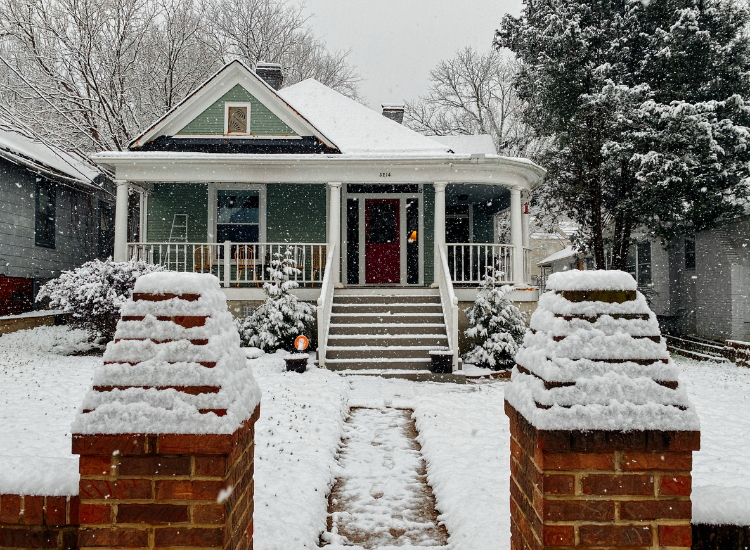
Protecting your home during a polar vortex requires maintaining consistent heat throughout your property, insulating exposed pipes, sealing air leaks, keeping cabinet doors open under sinks, and letting faucets drip when temperatures plunge below zero. Chicago-area homeowners should also prevent ice dams by ensuring proper attic insulation and ventilation, while monitoring basements for freezing conditions. These proactive measures can prevent thousands of dollars in water damage from burst pipes and roof leaks that commonly occur during extreme cold events.
Understanding Polar Vortex Risks for Chicago-Area Homes
When polar vortex events strike the Chicagoland region—often bringing wind chills of -20°F to -50°F—homes face serious threats. The combination of prolonged sub-zero temperatures and fierce winds creates perfect conditions for frozen pipes, ice dams, and heating system failures. Neighborhoods throughout Cook, DuPage, Lake, Will, and Kane Counties experience these challenges, but older housing stock in communities like Lincoln Park, Oak Park, Evanston, and Beverly face heightened vulnerability due to aging infrastructure and historic construction methods not designed for such extreme conditions.
The most costly polar vortex damage comes from burst pipes. When water freezes inside plumbing, it expands with tremendous force—enough to crack copper, PVC, and even steel pipes. Once temperatures rise, these compromised pipes release hundreds of gallons of water into walls, ceilings, and basements, causing extensive water damage that requires professional restoration services.
Protecting Your Plumbing System
Maintain Consistent Interior Temperatures
Never let your thermostat drop below 55°F, even when away from home. This is particularly crucial for Chicago bungalows, two-flats, and ranch homes where plumbing runs through exterior walls or unheated spaces. Set your thermostat to the same temperature day and night during polar vortex events—the money saved on heating bills pales in comparison to water damage restoration costs.
Insulate Vulnerable Pipes
Focus on pipes in unheated areas: basements, crawl spaces, attics, and garages. Foam pipe insulation is inexpensive and available at any hardware store throughout Naperville, Schaumburg, Arlington Heights, and surrounding communities. Pay special attention to pipes along exterior walls, especially in older greystones and vintage construction where insulation may be minimal.
Let Faucets Drip
When temperatures drop below -10°F, allow faucets served by exposed pipes to drip slightly—both hot and cold sides. Moving water is much harder to freeze than standing water. This is especially important for fixtures on exterior walls or above unheated garages common in Elmhurst, Downers Grove, and Orland Park homes.
Open Cabinet Doors
Keep cabinet doors open under kitchen and bathroom sinks to allow warm air circulation around pipes. This simple step has prevented countless freeze-ups in Chicago-area homes during past polar vortex events.
Preventing Ice Dams and Roof Damage
Ice dams form when heat escaping through your roof melts snow, which then refreezes at the colder eaves, creating ice barriers. Meltwater backs up under shingles and leaks into homes—a common problem during extended cold snaps in Lakeview, Logan Square, Wicker Park, and throughout the region.
Improve Attic Insulation
Proper attic insulation keeps heat inside living spaces rather than melting roof snow. Chicago’s freeze-thaw cycles make this especially critical. Ensure your attic has adequate insulation (R-49 to R-60 for our climate zone) and proper ventilation to maintain cold roof temperatures.
Clear Gutters Before Winter
Clogged gutters worsen ice dam formation. Before polar vortex season (typically December through February), ensure gutters and downspouts are clear of debris to allow proper drainage.
Remove Excess Snow
After heavy lake effect snowfall, consider removing snow from roof edges using a roof rake. This reduces the material available for ice dam formation, particularly important for flat roofs common on many Chicago two-flats and commercial buildings.
Emergency Preparedness Measures
Seal Air Leaks
Cold air infiltration forces heating systems to work harder and creates cold spots where pipes can freeze. Seal gaps around windows, doors, electrical outlets, and where utilities enter your home. Weather stripping and caulk are inexpensive insurance against freeze damage.
Know Your Main Water Shutoff
Every household member should know where the main water shutoff valve is located and how to operate it. If a pipe bursts, shutting off water immediately minimizes damage. In finished basements common throughout Tinley Park and Hyde Park, this can mean the difference between minor and catastrophic damage.
Maintain Heating System Function
Service your furnace before winter and change filters regularly. Have a backup heating plan if your primary system fails during extreme cold. Space heaters (used safely) can keep critical areas warm enough to prevent freezing.
When Damage Occurs: Professional Restoration Response
Despite best efforts, polar vortex events can overwhelm home defenses. If you experience burst pipes, ice dam leaks, or other cold-weather damage, immediate professional response is critical. Water damage worsens by the hour, and Chicago’s winter humidity can quickly lead to mold growth even in freezing conditions once indoor temperatures normalize.
Redefined Restoration provides 24/7 emergency response throughout the Chicagoland area. Our team understands the unique challenges polar vortex events create for local homes—from vintage bungalows to modern construction—and we respond quickly to extract water, dry structures, and restore your property to pre-loss condition.
Don’t let extreme cold destroy your home and disrupt your life. If you’re facing winter weather damage or want to discuss protective measures for your specific property, contact Redefined Restoration at https://redefinedresto.com or call us immediately. We’re here to help Chicago-area homeowners weather every storm—including the coldest polar vortex.